Altai Health is an AI-powered post-surgical follow-up platform that monitors recovery between visits, proactively identifies mental health concerns, and addresses unmet social needs — connecting patients with the support they need.
Limited provider visibility leaves patients unsupported across their physical, mental, and social needs.
After surgery, patients are expected to manage complex recovery on their own: monitoring symptoms, following care instructions, and navigating challenges like pain, mental health, and limited support at home. In reality, many struggle to recognize warning signs, manage wound care, or communicate concerns in time.
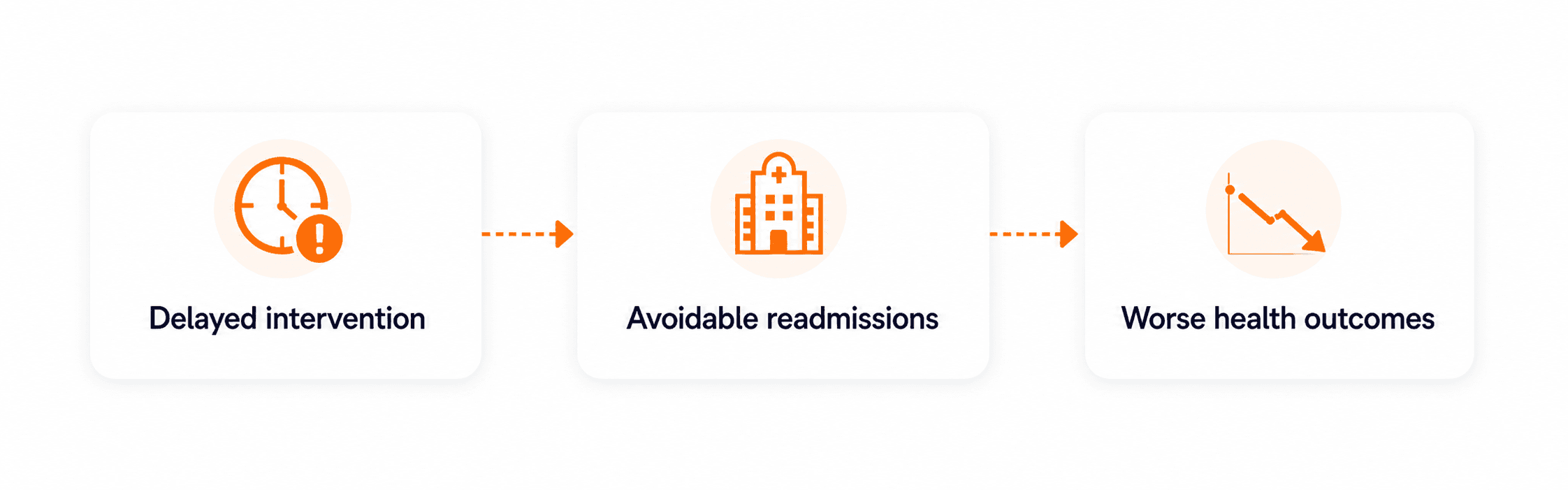
Providers, meanwhile, have little visibility into what happens between visits, leaving complications, depression, and social barriers out of their hands. The result is delayed intervention, avoidable readmissions, and worse outcomes.
We transform follow-up care by addressing the Social Determinants of Recovery alongside clinical and mental health needs.
After discharge, patients are enrolled in a continuous follow-up system that goes beyond traditional check-ins. Through conversational interactions via text or phone, the platform captures clinical symptoms, mental health concerns, and key Social Determinants of Recovery — such as caregiver support, transportation, and access to care.
These inputs are analyzed in real time and translated into structured, prioritized insights for providers, ensuring that emerging risks are identified early and addressed efficiently. At the same time, patients receive tailored guidance, answers to care questions, and connections to relevant community and governmental resources — helping them navigate recovery with confidence.
Continuous monitoring detects clinical and social risk early, then routes actionable insights to the care team.
Every patient is different — care should be too.
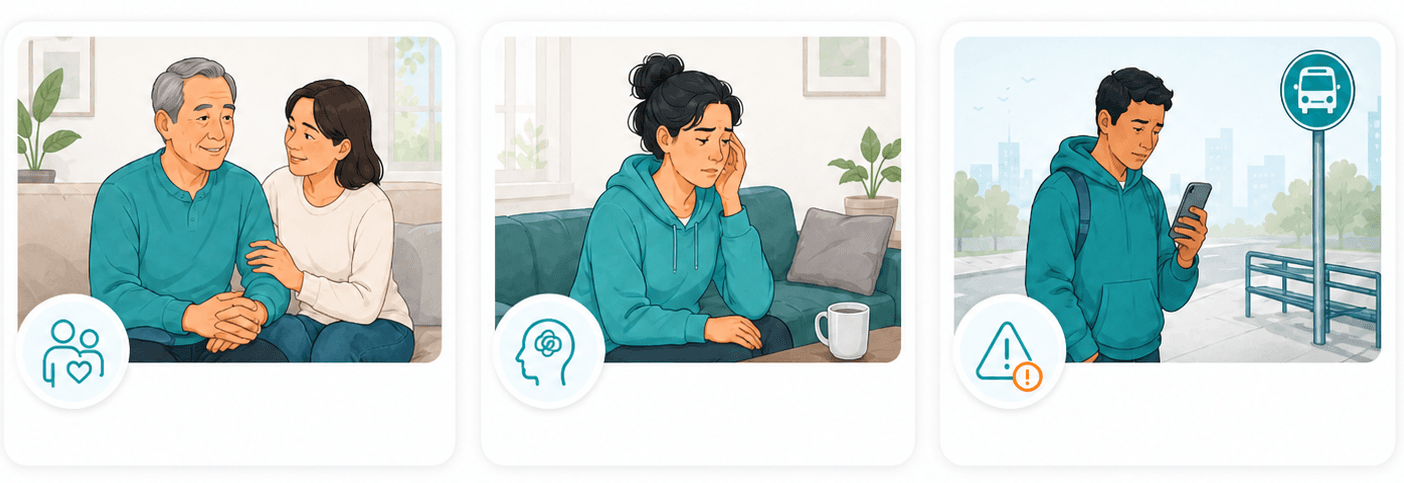
After leaving the hospital, patients return to lives that vary widely in support and access to care. Some have clarity and stability, while others face challenges like food insecurity or difficulty accessing reliable communication and follow-up services.
These differences play a major role in what happens next, yet follow-up care is often standardized and does not reflect them. We care because no patient’s outcome should depend on factors outside their care.